
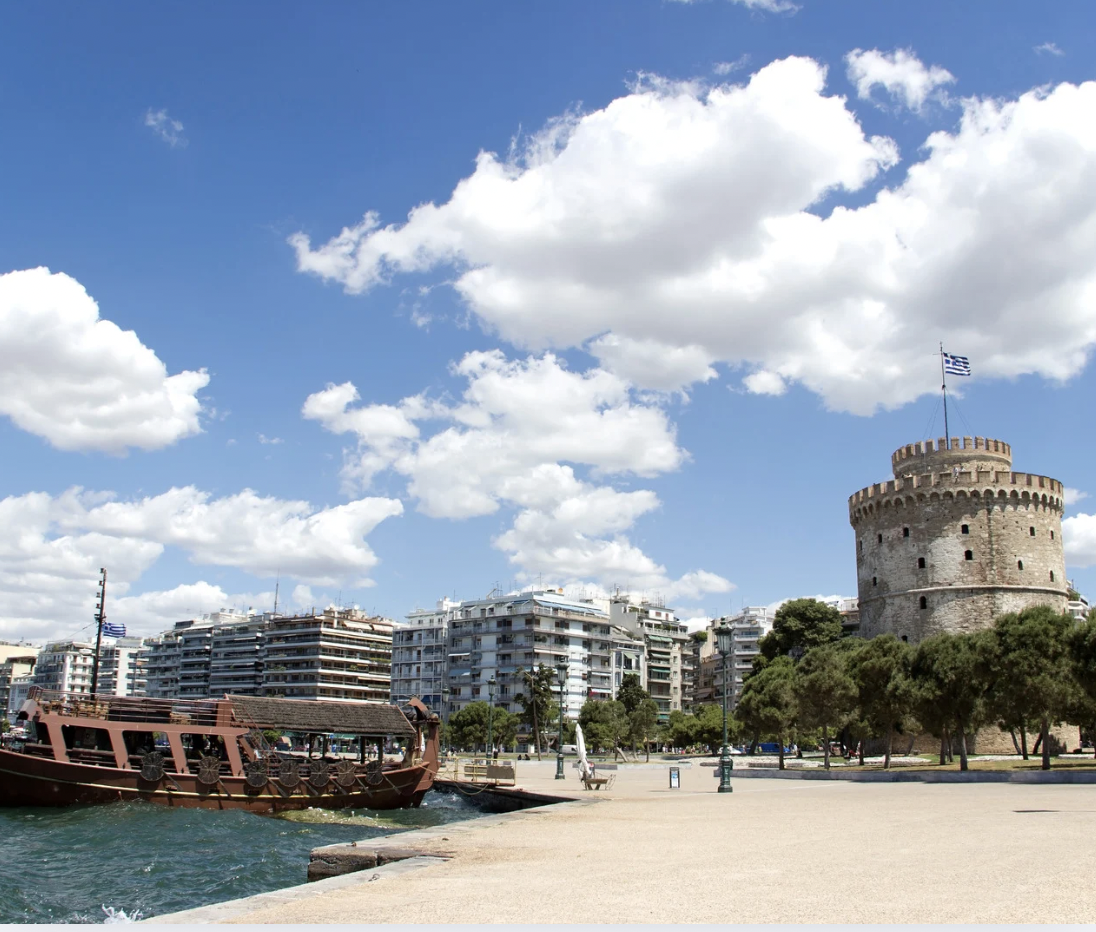
Greece has long attracted travelers, yet a different current is shaping itineraries. More visitors arrive with Acts and Paul’s letters in mind. The draw is clear: Paul’s route through Greece can be followed without guesswork. Major sites sit within a practical loop, the ruins remain readable, and the backdrop helps explain what “public preaching” looked like in the first century. For many Faith-based travel tours, Greece offers the rare chance to watch Scripture and setting line up in a way that feels both educational and personal.
Why Greece, why now
Greece’s tourism engine has been running hot in the mid 2020s, and that matters even for a spiritually focused traveler. Reuters reporting on Bank of Greece figures put 2024 travel receipts at about €21.6 billion, alongside a sharp rise in inbound visitors, and airlines have expanded seats as demand has grown. The result is more flight options, more hotel capacity, and stronger on-the-ground services.
There’s also a reason that can’t be measured in arrivals. Greece frames Paul’s ministry against a culture famous for civic debate and religious pluralism. His message moved through ports, marketplaces, and courtrooms, in cities filled with competing claims about the gods and the good life. Visiting those settings makes the text feel less abstract and more like a conversation held in public.
The core stops along Paul’s Greek route
- Philippi: the first foothold in Europe. Northern Greece often serves as the starting point, near the ancient city of Philippi. The site is recognized by UNESCO for its Roman city plan and significant early Christian monuments, including large basilicas. Acts 16 links Philippi with Lydia and the formation of a new community. Nearby, local tradition points to a riverside baptistery connected with Lydia’s baptism, and the location prompts a simple question: how did a small gathering in a riverside setting turn into a church that still speaks through a letter read worldwide?
- Thessaloniki and Berea: letters with a local address. Acts describes travel along the Via Egnatia, the Roman road that connected major Macedonian cities. Thessaloniki remains busy, which keeps the visit grounded in reality. Paul preached amid commerce, politics, and social pressure. Berea (modern Veria) adds contrast. It’s smaller, calmer, and well suited to reading and discussion, the sort that helps a group notice how Paul tailored his approach from place to place.
- Athens: where the gospel met the world of ideas. Acts 17 places Paul in conversation with Athenians shaped by philosophy and civic religion. The account of his address associated with the Areopagus stands out because it shows him speaking plainly while meeting listeners on their own ground. The setting is still instructive. The hill traditionally linked with the Areopagus sits beneath the Acropolis and near the heart of ancient public life. You can see how closely religion, politics, and public life were intertwined, and why a message about one God and a risen man could spark both interest and irritation.
- Corinth: faith in a complicated port city. Corinth brings the story down to the level of ordinary choices. The ancient forum and the bema, the raised platform tied to public hearings, help visitors grasp Acts 18. Paul’s letters to Corinth address division, moral confusion, and status seeking, themes that fit a wealthy, mobile port. Corinth often produces the most direct conversation on a tour because it refuses to idealize the early church. It shows a community learning, sometimes painfully, what love and order require.
What makes Greece especially strong for group travel
A Pauline itinerary suits groups because the days can be structured without feeling like a race. The driving distances are reasonable, and the main sites support a steady rhythm: walk the ruins, read a short passage, talk it through, eat well, repeat. That’s why planners lean toward Church group travel when they want depth without logistical stress.
The best Christian group tours also use Greece’s variety. A single week can include Athens, quieter northern towns, and coastal settings, which helps keep everyone engaged.
Seasonal planning helps. Late spring and early fall usually offer comfortable temperatures and lighter crowds than midsummer, and many operators schedule departures from March through November.
For travelers seeking a more explicitly devotional structure, Christian pilgrimage tours often build in shared worship and time for reflection, not only sightseeing.
Why the experience stays with people
Greece tends to linger in memory because it clarifies how Christianity spread: along roads, through ports, in homes, and in public argument. It also humanizes Paul. He comes across less as a distant figure and more as a determined traveler adapting to different audiences while holding to the same message.
That’s why Greece has become a leading choice for Biblical tours aimed at general readers. The story is familiar, but the setting makes it newly understandable.


More Stories
Wanderlust Chronicles: Unraveling the World One Unplanned Detour at a Time
Top 10 Hidden Gems: Unforgettable Travel Destinations Off the Beaten Path
The World in My Suitcase: Unforgettable Adventures Through Uncharted Paths